
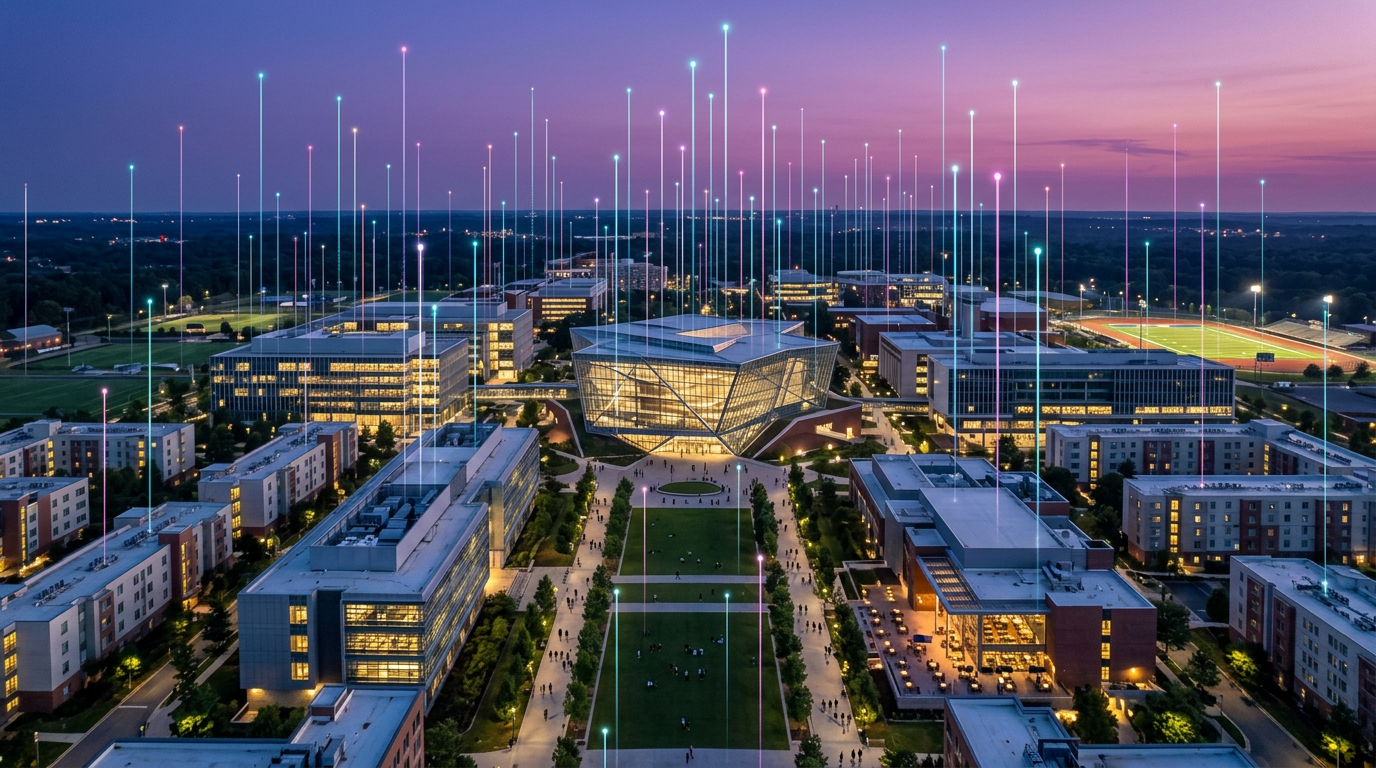
fourDscape®
The Real‑Time Situational Awareness Platform
The fourDscape® platform is a comprehensive real-time situational awareness platform that unifies cameras, access control, door locks, and communication systems into one live operating environment.
fourDscape® Gallery
A powerful, graphical 3D user experience for real-time situational awareness.
Layers of options built into the platform able to be toggled on and off as needed.
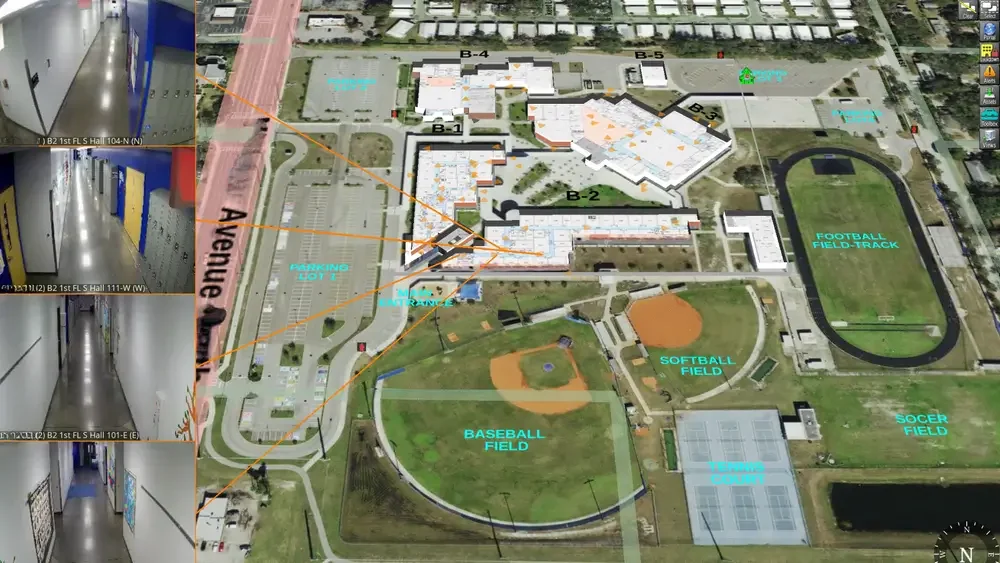
3D Modeling and Mapping, with live cameras
School
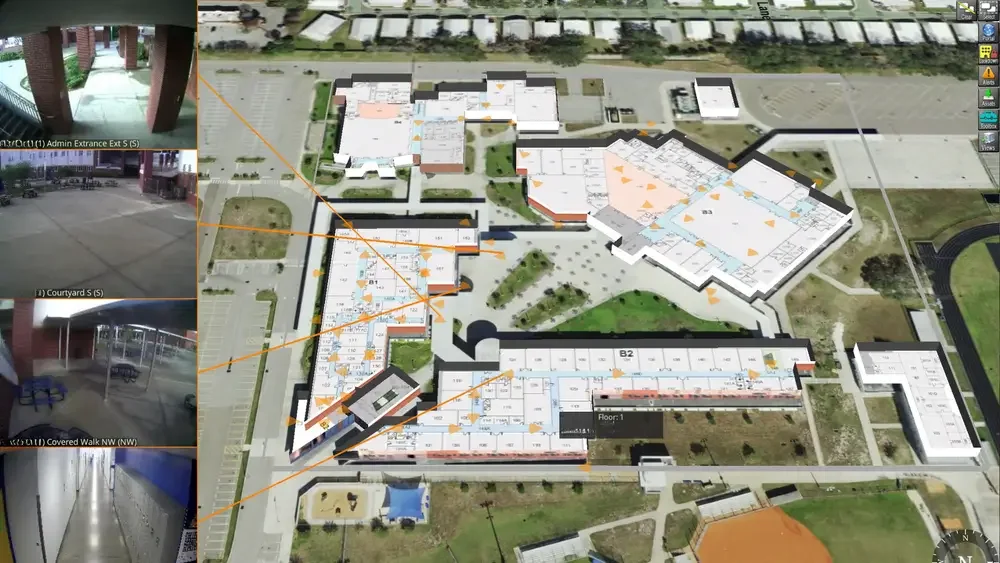
3D Modeling and Mapping, with live cameras (macro view)
School
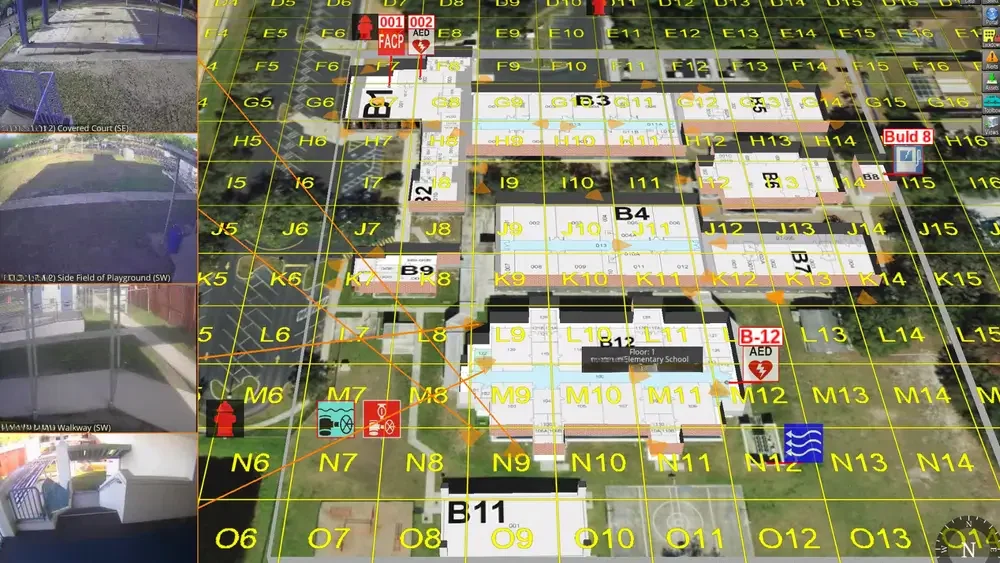
3D Modeling and Mapping, with live cameras, assets and grid layers turned on
School
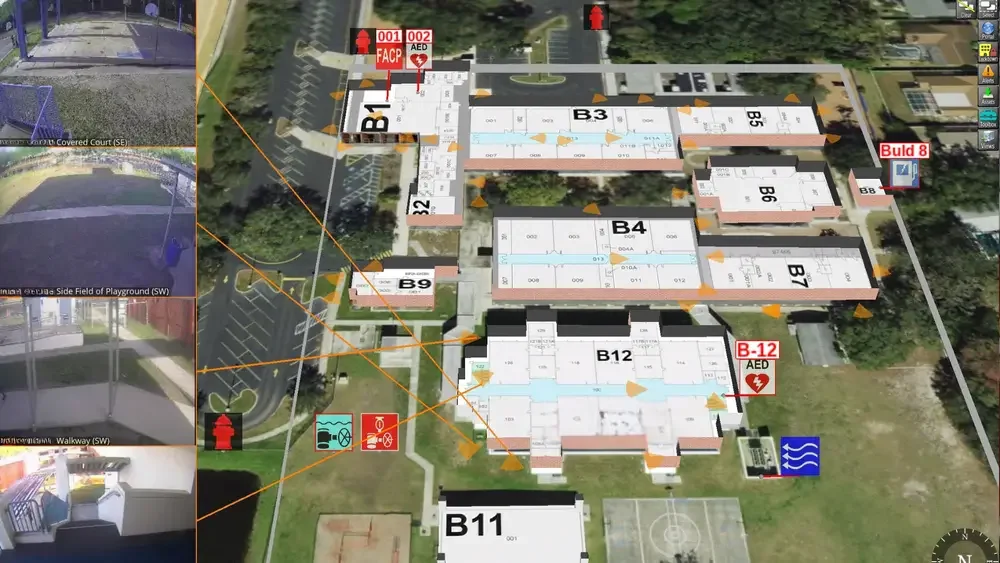
3D Modeling and mapping, with live cameras and asset layer on
School
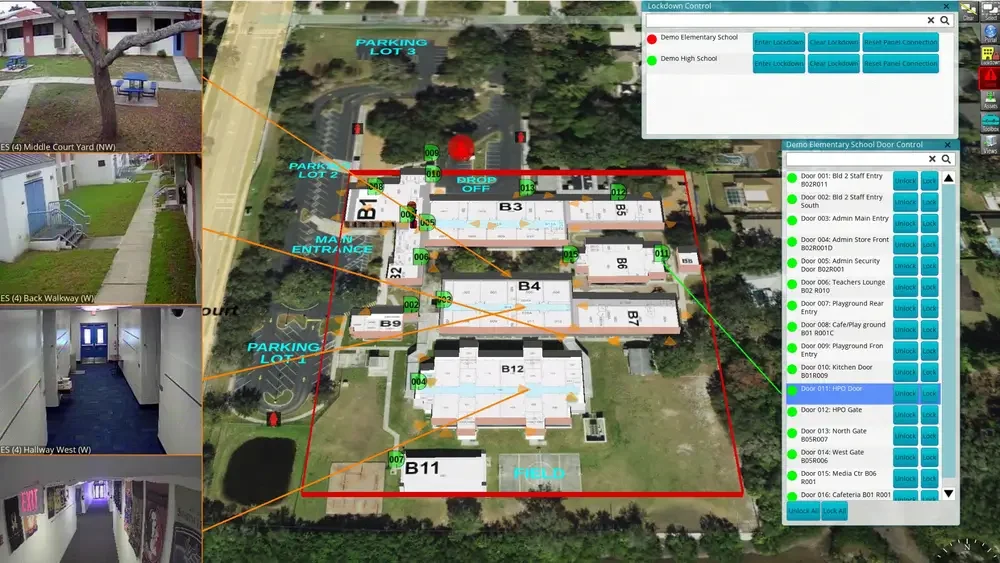
With live cameras, live access control and live lockdown control layers on
School
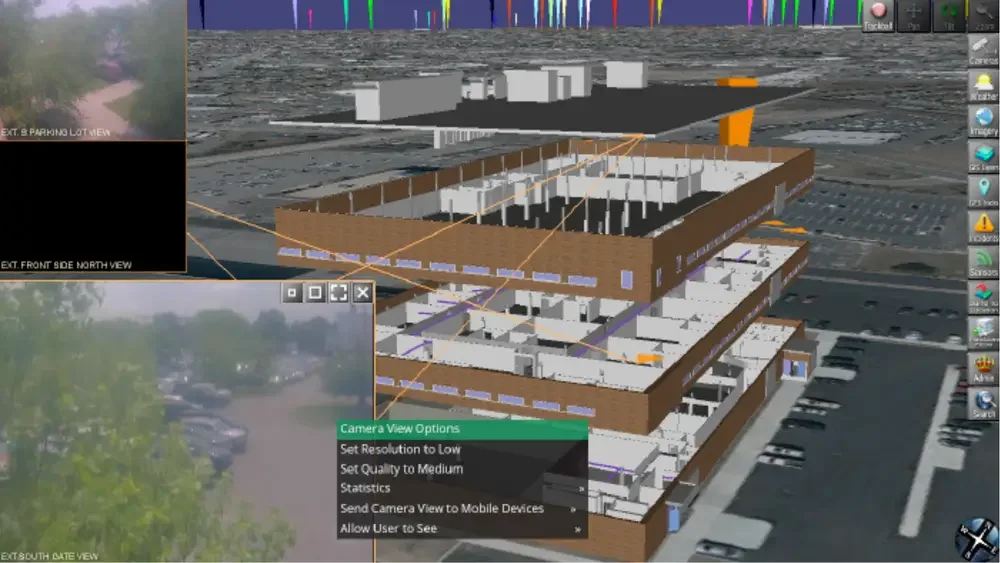
Expandable 3D model of your facilities, with live cameras
Municipal
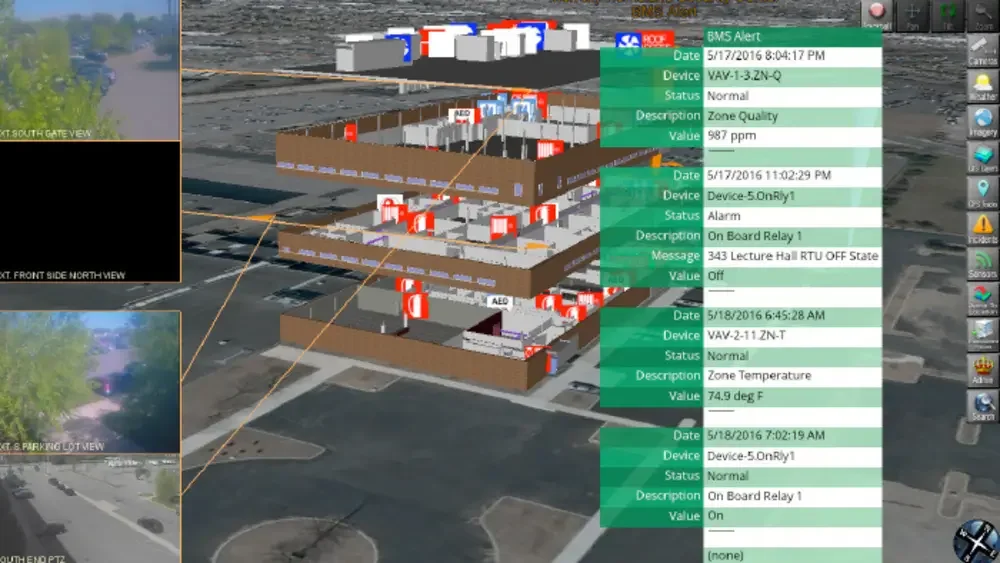
Expandable 3D model of your facilities, with live camera and asset monitoring
Municipal
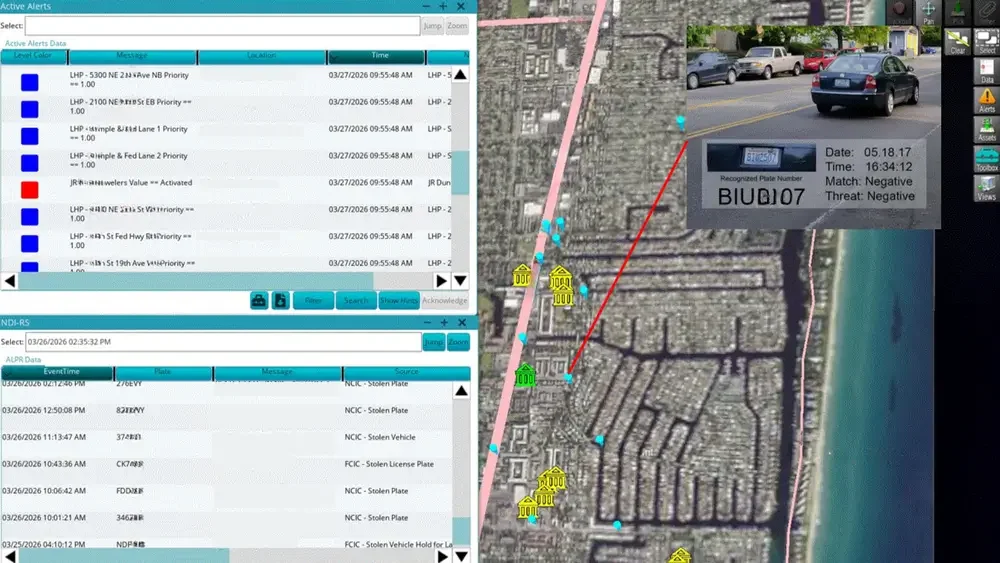
Portal Mapping, with multiple buildings throughout your portal, with live cameras and license plate reader
Municipal
A powerful, graphical 3D user experience for real-time situation awareness
Extensive 3rd party integration capability
Integrates with 3rd-party systems at the network interface level and/or at the SDK/API software level
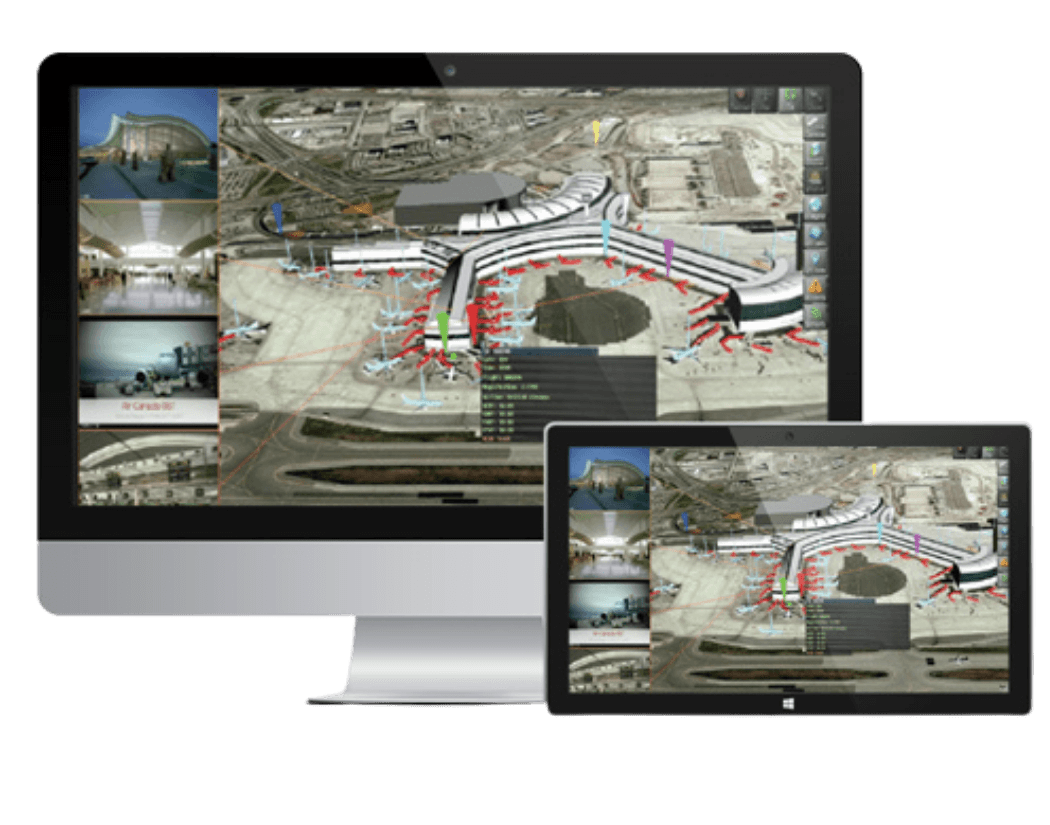
Airport delays and status tracking
Alyssa’s Law–compliant remote panic applications
Automated Standard Operating Procedures (SOPs) with cataloged steps and sequences
Breaking News Network (BNN) alerts (geo-specific to regions of interest)
Buoy reports
Bus tracking, routes
Computer-Aided Dispatch (CAD) systems
Door Access Control Systems
Dynamic plume and environmental modeling
E911 and emergency command center systems
Environmental sensors with false alarm analysis
GPS tracking devices (NMEA-compatible)
Integration Live 911 Location tracking
Integration with Video Management Systems IP, USB, and web-based cameras (all manufacturers)
Integrations w/License Plate Readers
Lockdown systems
Mobile chemical detection sensors
NOAA time-lapse weather overlays and models
Power outage monitoring
Regional Geographic Information System (GIS) repositories and shapefiles
Video intrusion detection systems
Weapons detection systems
Web mapping and feature services (WMS/WFS)
Wide-area persistent surveillance systems
Features
-
Open, Layered Network Architecture
-

Enterprise, or Cloud-Based
(Supports Windows, macOS, Linux, iOS, and Android)
-

Multi-Tenant with Centralized Monitoring Option
(Shared and Private Data Portals)
Standards Based Connections
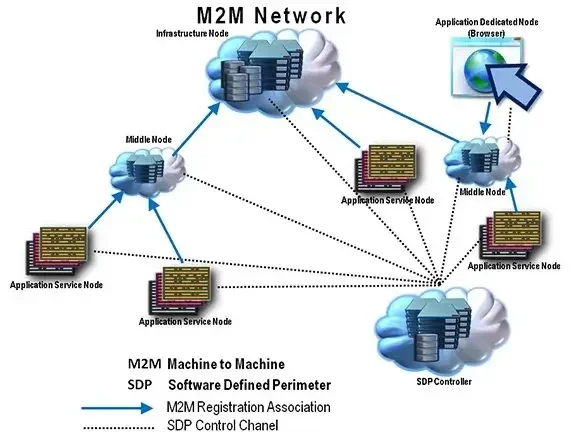
oneM2M reference architecture provides rapid, reliable connectivity
-
Standards-based
oneM2M is an emerging global standard in connectivity, supported by the major global telecommunications organizations
-
Network-agnostic
oneM2M will work on any network transport architecture by focusing on the Service Layer aspects and by leveraging the Network Services Entity
-
Lightweight, scalable data transmission
Sensors and devices are connected using RESTful (e.g., http/CRUD/URI) services and TCP/IP protocols
-
Modular node-based
fourDscape® resources serve as oneM2M Application Service Nodes, interfacing to a multitude of mobile devices, wrapping them to appear as compatible M2M devices
fourDscape® engines serve as oneM2M Middle Nodes by coordinating between 4D resources and 4D servers
fourDscape® Servers serve as oneM2M Infrastructure Nodes by coordinating the data feeds to/from 4D resources/engines and fourDscape® browsers
fourDscape® Browsers serve as oneM2M applications by comprising the user interface to all 4D portal functionality generated from 4D resources/engines/servers
-
SDP-secured and dynamic
As the oneM2M security layer, SDP technology can protect and secure M2M nodes and services, including in an ad-hoc emergency M2M network scenario required by first responders
-
Common service entity functions
Addressing & Identification (AID) of physical/logical resources
Discovery (DIS) of available M2M nodes
Registration (REG) of all authorized M2M nodes via the SDP authentication workflow
Location (LOC), utilizing geo-data feeds identifying real-time locations of vehicles, devices, sensors, or assets
Data Management & Repository (DMR) of archived realtime dataflow
Security (SEC) for network/authentication security and sensitive data handling
Subscription & Notification (SUB) to notify of an available change/update to a resource or to auto-deliver the updated data as requested
Software Defined Perimeters
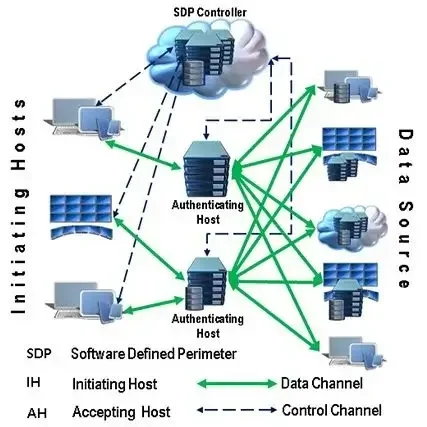
Software Defined Perimeters (SDP) provides next generation information security
-
Open standards-based
SDP is an open protocol developed by the Cloud Security Alliance, authored by group of cross-industry security experts (April 2014)
-
Ad-hoc and dynamic
Secure, ad-hoc IP networks are deployed by gathering IP-addressable devices into a secure logical network on-the-fly and reconfigured dynamically whenever needed, independent of physical network infrastructure layout
-
Mobile
Devices that geo-locate within range of an SDP network node and that provide appropriate SDP authentication credentials can dynamically join the network of secure devices
-
Network topology-agnostic
SDP is independent of network communication protocols, permitting customers to adopt their protocols of choice (Bluetooth, zigbee, cellular, wifi and other transmission protocols)
fourDscape® Engines serve as oneM2M Middle Nodes by coordinating between 4D resources and 4D servers
fourDscape® Servers serve as oneM2M Infrastructure Nodes by coordinating the data feeds to/from 4D resources/engines and fourDscape browsers
fourDscape® Browsers serve as oneM2M applications by comprising the user interface to all 4D portal functionality generated from 4D resources/engines/servers
-
Controller-host authenticated
SDP Controller determines which hosts can communicate; controls encryption policies
SDP Initiating Hosts request list of Accepting Hosts from SDP Controller
SDP Accepting Hosts reject all communication requests not coming from SDP Controller